Japan's Festival Seasons – Timing Apparel Production Right
Japan's retail calendar is shaped by distinct seasonal events and festivals. Understanding these rhythms is essential for brands looking to maximize sales and minimize inventory.
The Key Seasonal Events
1. New Year (Shōgatsu) – Early January
Japan's most important cultural holiday, driving demand for formal and celebratory wear. Consumers purchase new clothing for the new year, making it a peak season for apparel retailers.
2. Golden Week – April 29 to May 5
A week-long national holiday that drives significant consumer spending. In May 2026, the "Fashion" category saw strong performance driven by rising temperatures, with summer clothing, UV-protection items, and functional cooling fabrics leading the way. Golden Week also coincides with koromogae—Japan's biannual wardrobe changeover—making May one of the highest-volume months for apparel.
3. Obon – Mid-August
A traditional Buddhist holiday marked by company closures and travel. Consumers purchase summer festival wear, casual apparel, and travel-related clothing. The summer season also drives demand for swimwear and outdoor用品.
4. Autumn Foliage Season – October–November
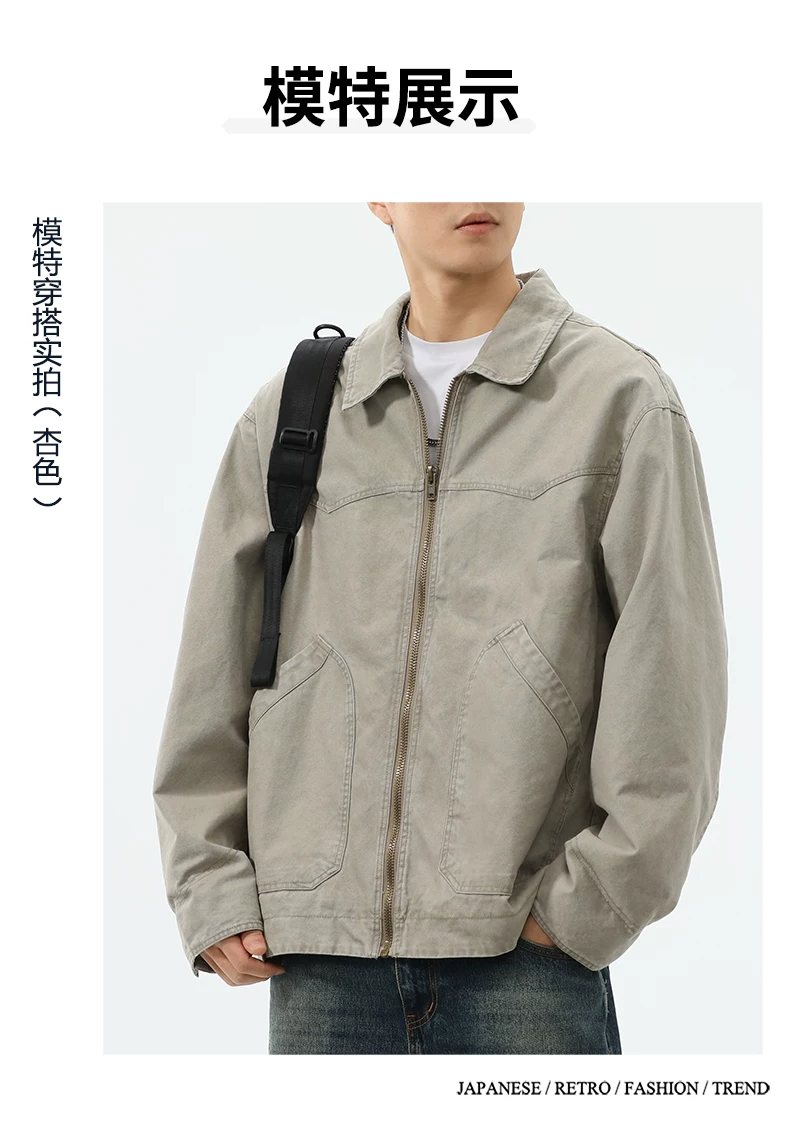
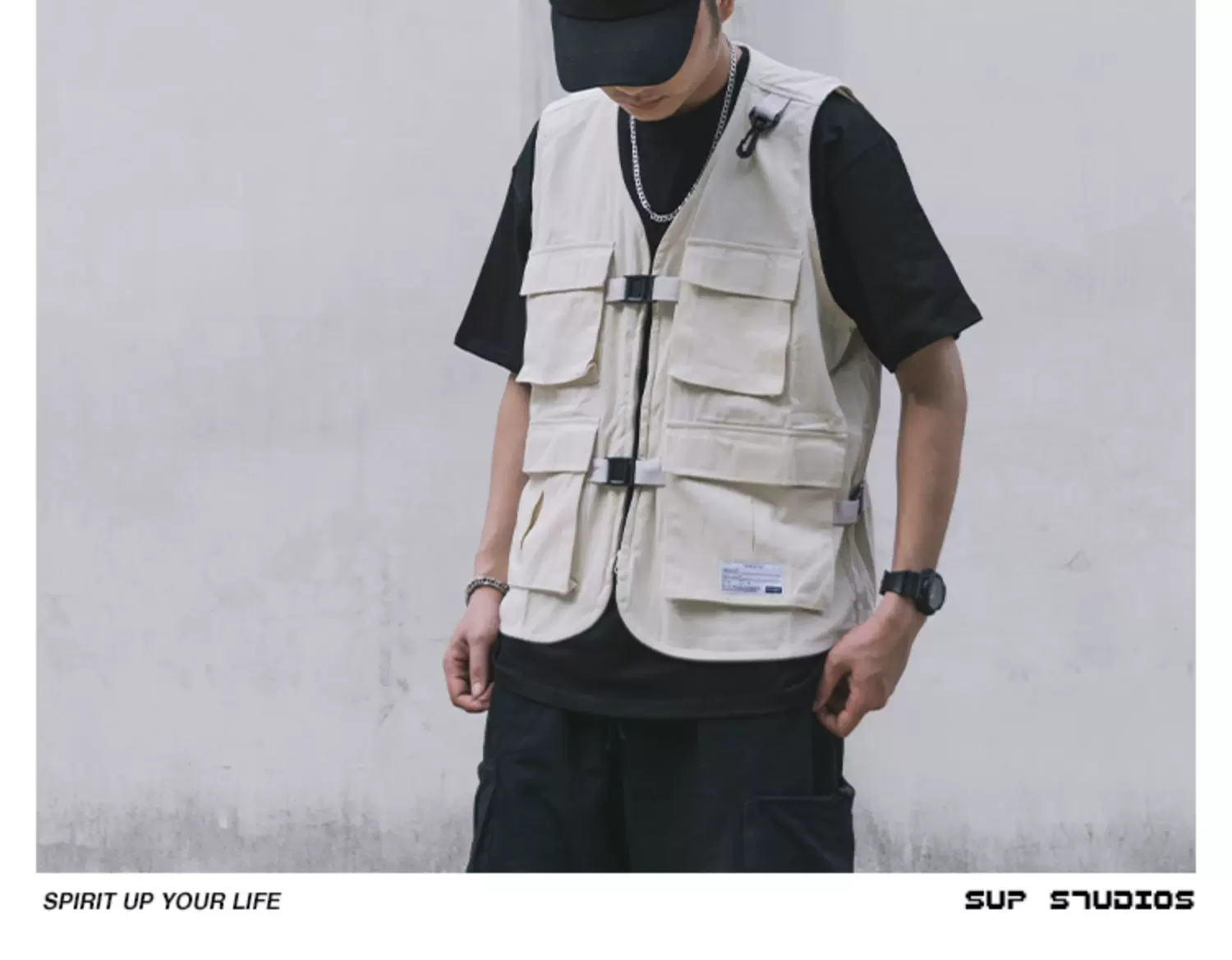
The changing leaves bring demand for transitional outerwear and knitwear—perfect for MW Fashion's core product categories.
5. Year-End Gift-Giving (Oseibo) – December
Premium apparel items as corporate and personal gifts. Formal and high-quality garments see increased demand.
The 2026 E-Commerce Calendar
Beyond traditional holidays, Japan's e-commerce market offers over 30 sales promotion nodes throughout the year:
| Period | Key Events | Hot Categories |
|---|---|---|
| January | New Year sales | Winter clothing, formal wear |
| February–March | Moving season, White Day | Home goods, gifts |
| March–April | Cherry blossom season, Golden Week | Travel用品, outdoor gear |
| May | Golden Week, Mother's Day, Boys' Day | Summer clothing, gifts |
| July | Marine Day, summer vacation | Swimwear, outdoor用品 |
| August | Obon | Travel gear, summer apparel |
| December | Oseibo, year-end sales | Premium apparel, gifts |
Planning Production Cycles
For each seasonal peak, production must begin well in advance. A typical timeline looks like this:
-
Prototyping: 1–2 months before production start
-
Production: 6–8 weeks before retail availability
-
Shipping: 2–3 weeks before the sales window opens
Case Example: Golden Week Preparation
A Japanese brand preparing for Golden Week (late April to early May) needs to have products on shelves by mid-April. Working backward:
-
Early February: Prototype development (3–7 days at MW Fashion)
-
Mid-February: Sample approval and production planning
-
Late February to late March: Production (6–8 weeks)
-
Early April: Shipping and customs clearance
-
Mid-April: Arrival and distribution to retailers
How MW Fashion Supports Seasonal Planning
-
3–7 day prototyping enables rapid response to seasonal trends
-
Flexible MOQ (100 pieces) allows testing of seasonal designs with minimal risk
-
100,000+ unit monthly capacity handles peak season demand without compromising quality
-
99%+ on-time delivery ensures products arrive when they are needed
The "Five Seasons" Challenge
The traditional four-season fashion cycle is breaking down. Climate anomalies and shifting consumer behavior have created what some call a "five-season" market—unpredictable weather patterns that require even greater supply chain agility. This makes the ability to respond quickly to changing conditions more valuable than ever.
Conclusion
Timing is everything in fashion. MW Fashion helps brands align production with Japan's seasonal retail rhythms, ensuring that the right products are available at the right time—and not a moment too late.
SUBSCRIBE
INQUIRY