
Japan's Gen Z – Genderless Fashion and What It Means for Brands
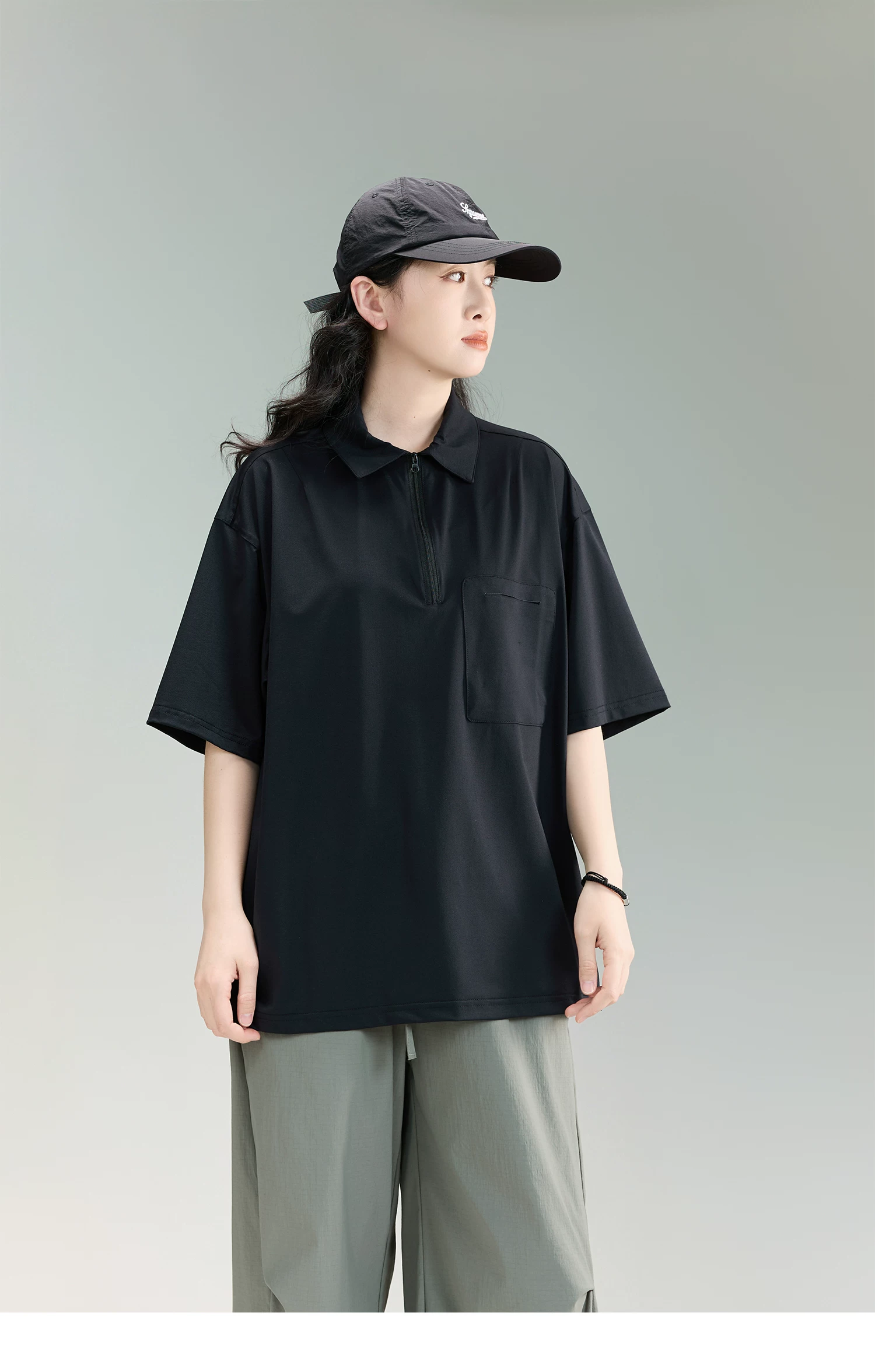
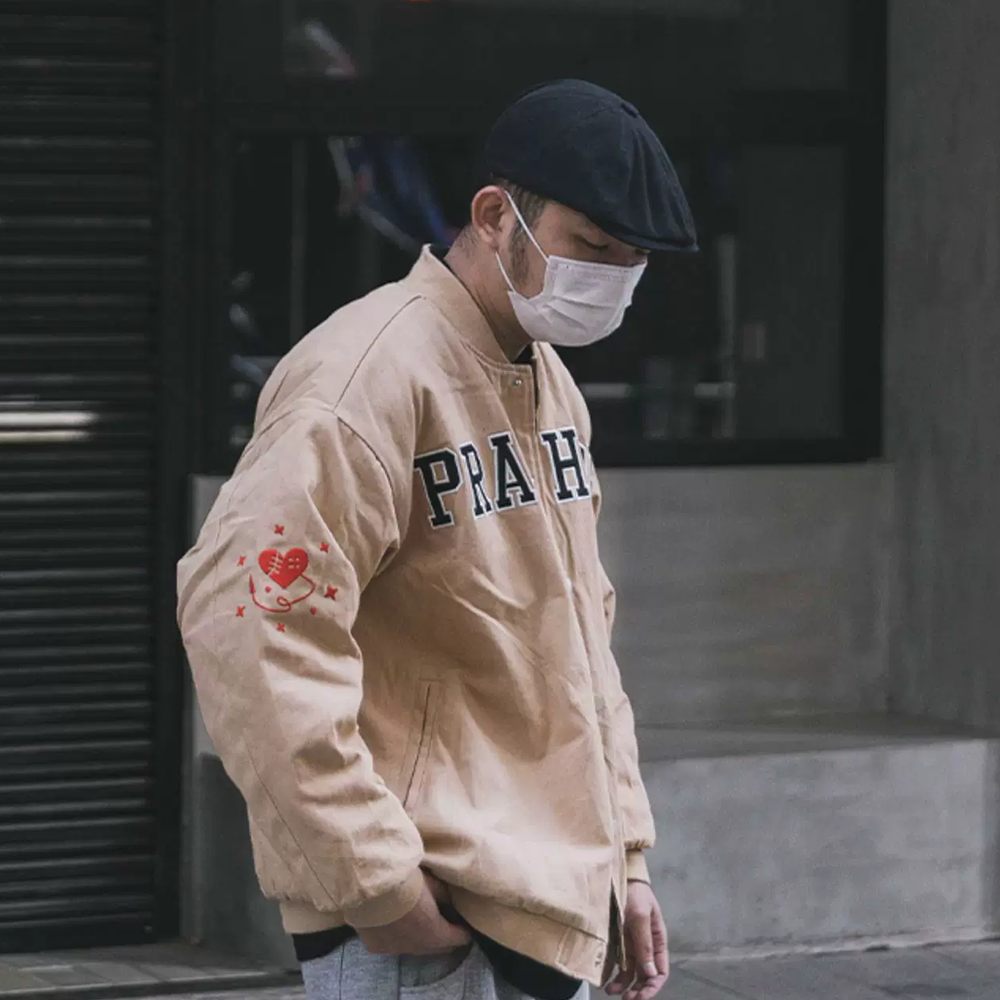
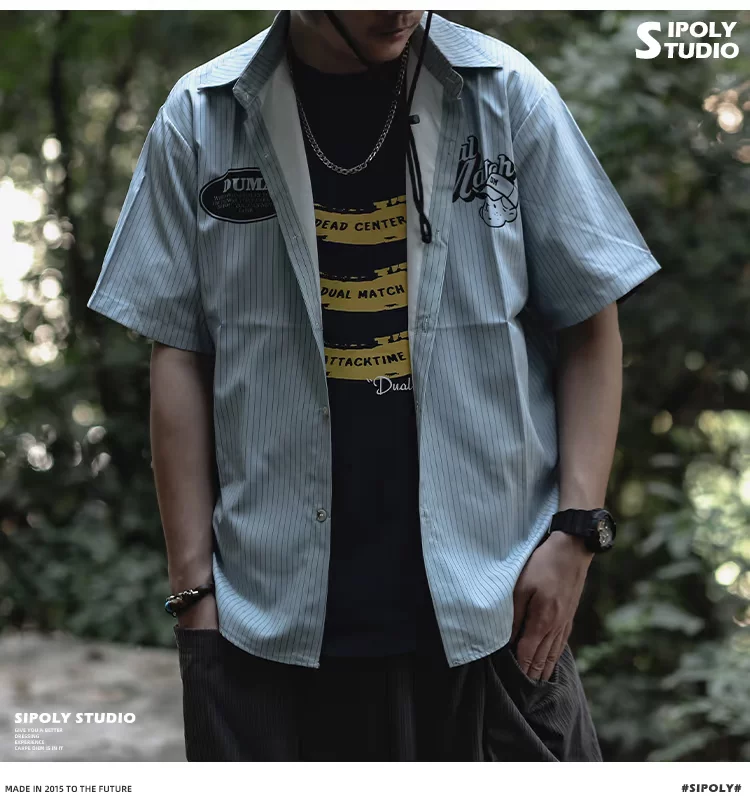
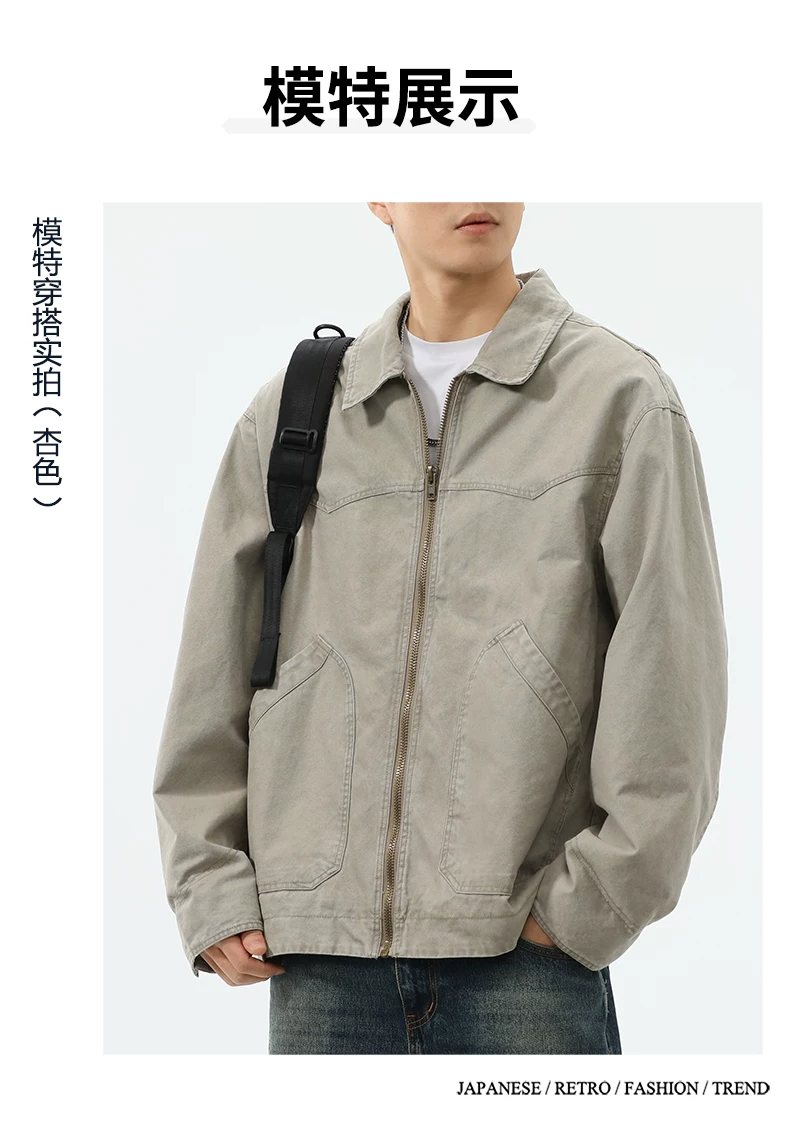
A quiet revolution is unfolding in Japanese fashion – and it is being led by Generation Z. Fashion trends that emphasize individuality without regard for gender norms are spreading rapidly among young Japanese consumers, primarily those aged 15 to 30.
The Rise of Genderless Fashion
The numbers tell the story. Men using parasols, women wearing neckties, and unisex suiting are no longer niche trends – they are mainstream phenomena. Japanese retailers are actively widening their genderless fashion ranges in response to this demand.
As one analysis noted, "fashion choices that put personal expression ahead of traditional gender expectations are gaining traction among young people in Japan". This is not a fleeting trend – it reflects a fundamental shift in how young Japanese consumers think about identity, self-expression, and clothing.
Key Manifestations of the Trend
-
Men's parasols: Approximately 23% of men in their 30s now use parasols, reflecting changing attitudes toward male skincare and sun protection
-
Women's neckties: Traditional men's accessories are being embraced by women as fashion statements
-
Unisex suiting: Blazers and tailored pieces designed for all genders
-
Pink and pastels for men: Genderless trailblazers like singer Yohdi Kondo and style icon Ryucheru regularly wear traditionally feminine colors and styles
Why This Matters for Apparel Brands
For Japanese brands and their supply chain partners, the genderless fashion trend has significant implications:
-
Design flexibility: Collections need to be designed with fluid gender expression in mind
-
Sizing complexity: Unisex sizing requires careful consideration of fit across body types
-
Marketing evolution: Brand messaging must resonate with consumers who reject traditional gender categories
-
Product diversification: Expanding beyond binary men's/women's categories
MW Fashion's Response
As a manufacturing partner to Japanese brands, MW Fashion is actively adapting to these trends:
-
Our design team monitors Japanese fashion trends closely, including genderless styles
-
Our flexible production model enables rapid prototyping of new silhouettes and fits
-
Our low MOQ allows brands to test genderless designs with minimal risk
-
Our experience across multiple product categories (outerwear, knitwear, menswear, denim) provides versatility in responding to evolving consumer preferences
Looking Ahead
The genderless fashion trend is not a passing fad – it reflects deeper generational shifts in Japanese society. As one commentator noted, "while Japanese fashion seeks to overturn convention, commentators say it will take more than men dressed in skirts to transform traditional gender dynamics in the conservative country". But the direction of change is clear.
For brands and manufacturers that can adapt to this new reality, the opportunities are substantial. MW Fashion is committed to being a partner that helps Japanese brands navigate this evolving landscape with agility and insight.
SUBSCRIBE
INQUIRY