Japan's Wide-Leg Silhouette Guide: Which Cut Wins?
"Wide-leg" is not a single silhouette—it is a family of shapes, each with its own proportions, attitudes, and target consumers. For brands entering the Japanese market, understanding these distinctions is essential. The wrong cut, even in the right category, can miss the mark entirely. Japan’s wide-leg market is expanding at a remarkable pace, with the Wide-Leg / Vintage Cut segment projected to grow at a 7.2% CAGR from 2026 to 2033. This growth is driven by demand for retro-inspired designs, relaxed silhouettes, and comfort-oriented fashion that doesn’t sacrifice polish. But within this broad category, four key silhouettes are shaping the conversation: the Barrel Leg, the Pleated Wide-Leg, the Easy Wide-Leg, and the Semi-Flare Wide-Leg. Each offers a distinct aesthetic and functional appeal, and each requires a different approach to pattern-making, fabric selection, and marketing.
The Barrel Leg: Architectural Curves
The Barrel Leg represents one of the most commercially significant wide-leg variations in Japan today. Characterized by a curved, rounded shape that balloons slightly at the thigh and tapers toward the ankle, the barrel silhouette creates a modern, architectural line that flatters without clinging. Japanese fashion media have identified the barrel pant as a key trend for 2026, noting its ability to shift even sweet color palettes into "mode" territory. The key to the barrel leg’s success lies in its precision: it must curve enough to feel contemporary but not so much that it appears exaggerated. When executed well, it adds volume where it flatters and narrows where it elongates. This cut appeals to fashion-forward consumers who want a statement piece that still feels wearable. It pairs beautifully with fitted tops and cropped jackets, creating a balanced silhouette that draws the eye vertically. For brands, the barrel leg demands careful grading and fabric choice—too stiff and it loses its fluidity; too soft and it collapses.
The Pleated Wide-Leg: Classic Structure
The Pleated Wide-Leg offers a more classic approach. Front pleats add three-dimensional depth and create a sleek vertical line that elongates the leg. As one Japanese brand describes its pleated denim wide pants, the design features "front pleats that add a three-dimensional depth and a sleek vertical line to the wide silhouette." This construction is particularly effective for professional settings, where the pleats lend structure and formality to an otherwise relaxed shape. The pleated wide-leg is a bridge between comfort and authority—ideal for Japanese women who want the ease of wide-leg pants but need the polish of tailored trousers. It works well in mid-weight fabrics that hold a crease, such as cotton twill, linen blends, or lightweight wool. Styling is straightforward: a tucked-in blouse, a structured blazer, and loafers create a smart-casual office look, while a simple tee and sneakers transition it to the weekend. In a market where workwear is casualising but standards remain high, the pleated wide-leg is a safe yet sophisticated bet.
The Easy Wide-Leg: Comfort Meets Polish
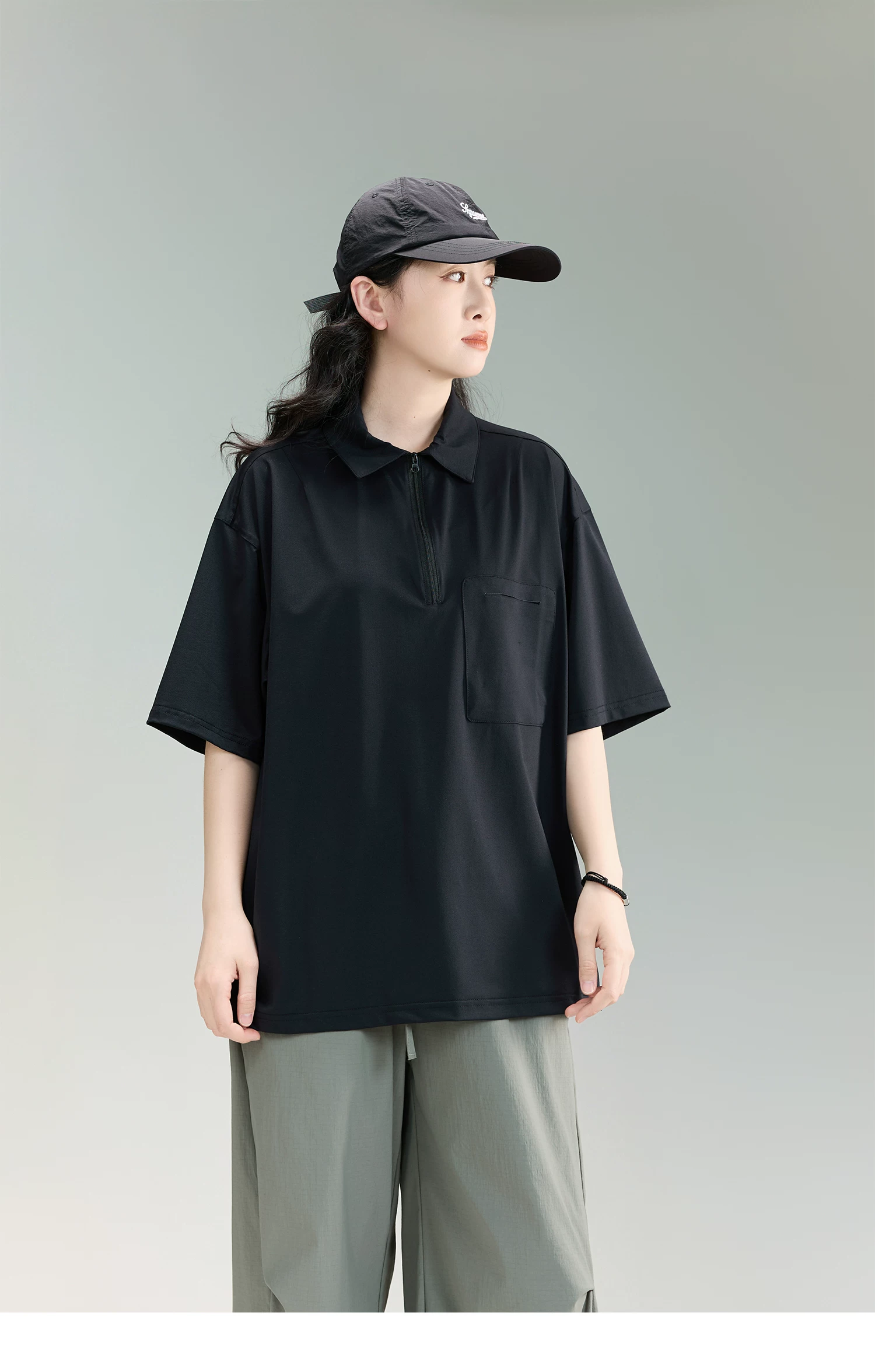
The Easy Wide-Leg prioritizes comfort above all. Featuring elastic waistbands, drawstrings, or soft construction, these pants represent the intersection of loungewear and streetwear that has defined post-pandemic fashion. Japanese consumers have embraced this category enthusiastically, with market analysis noting that "easy pants with rubber or string waists are experiencing a popularity revival." The critical evolution is that today’s easy wide-leg pants combine comfort with visual polish—they look intentional, not sloppy. The secret lies in fabric and proportion. A soft, drapey denim or a fluid cotton blend can elevate an elastic waist into something that feels elevated rather than merely casual. The leg should be wide but not overwhelming, and the rise should sit comfortably at the natural waist. This silhouette resonates with women of all ages, particularly those who prioritize ease of movement and all-day wearability. It is equally at home in a casual office, a weekend market, or a long day of travel. For brands, the easy wide-leg offers a way to reach consumers who value comfort but refuse to compromise on style.
The Semi-Flare Wide-Leg: A Transitional Shape
The Semi-Flare Wide-Leg occupies a transitional space between straight and wide. Japanese trade press has noted that among women in their teens through early 30s, the semi-flare is emerging as the next silhouette after wide and barrel. This cut offers the comfort of a wide leg with a subtle kick at the hem that adds movement and femininity. It is a shape that feels both familiar and fresh—familiar because it echoes the bootcut styles of earlier decades, fresh because it updates that silhouette with a more relaxed, modern proportion. The semi-flare is particularly flattering on shorter frames because the gentle flare balances the hip and creates a longer leg line. It works well in denim, but also in tailored fabrics for a more dressed-up look. For Japanese consumers who are adventurous but not extreme, the semi-flare offers a gentle step into new territory.
Why Silhouette Diversity Matters
The diversity of wide-leg silhouettes means that brands cannot afford a one-size-fits-all approach. Each cut speaks to a different consumer desire: the barrel leg to architectural fashion, the pleated wide-leg to polished professionalism, the easy wide-leg to comfort-first lifestyles, and the semi-flare to youthful femininity. Understanding these nuances is essential for product development, assortment planning, and marketing. A brand that offers only one wide-leg shape risks alienating large segments of the Japanese market. A brand that offers a curated range—perhaps two or three complementary silhouettes—can capture multiple occasions and demographics without overextending.
How MW Fashion Supports Silhouette Testing
MW Fashion’s manufacturing flexibility supports all these variations. With sample development cycles of 3–7 days and low MOQs starting at 100 pieces, the company enables brands to test multiple silhouettes simultaneously, identify which cuts resonate with Japanese consumers, and scale production accordingly. In a market where silhouette preferences evolve rapidly, this capability transforms product development from guesswork into informed decision-making. Brands can launch a small batch of barrel legs, a limited run of pleated wide-legs, and a test of semi-flares in the same season, then use real sales data to determine where to invest. Japanese-standard quality control ensures that every sample and every production run meets the exacting standards that Japanese consumers expect. From fabric weight and drape to stitch density and waistband construction, every detail is verified.
Conclusion
Japan’s wide-leg market is not a monolith. It is a rich, evolving landscape of shapes, each with its own personality and purpose. The Barrel Leg, Pleated Wide-Leg, Easy Wide-Leg, and Semi-Flare Wide-Leg represent four distinct paths to success. For brands, the challenge is not choosing one winner but building the operational agility to test, learn, and scale the silhouettes that resonate. MW Fashion stands ready to support that journey, bringing rapid prototyping, low minimums, and Japanese-standard quality to every wide-leg program. In a market growing at 7.2% annually, the brands that move quickly and listen closely will define the next chapter of Japanese fashion.