Wide-Leg Pants: Japan's 2026 Staple for Modern Women
The silhouette shift in Japan’s fashion landscape has been decisive. After years of skinny and tapered dominance, wide-leg pants have become the defining bottom for Japanese women in 2026. Walk through Tokyo’s Marunouchi district at lunch hour or browse the streets of Daikanyama on a weekend, and the evidence is unmistakable: relaxed, flowing silhouettes have replaced constricting fits as the preferred choice. This is not a fleeting trend. It is a structural change in how Japanese women dress, move, and think about comfort, confidence, and style.
A Decisive Silhouette Shift
For more than a decade, the skinny jean and the tapered trouser dominated women’s fashion in Japan. They were praised for their sleek line, their ability to elongate the leg, and their compatibility with heels and structured tops. But as work patterns changed, as urban life demanded more movement, and as consumers began to prioritize well-being over rigid aesthetics, the limitations of tight silhouettes became impossible to ignore. Wide-leg pants offered an answer. They allowed freedom of movement, breathability, and a sense of ease that skinny pants could not provide. By 2026, that answer has become the mainstream.
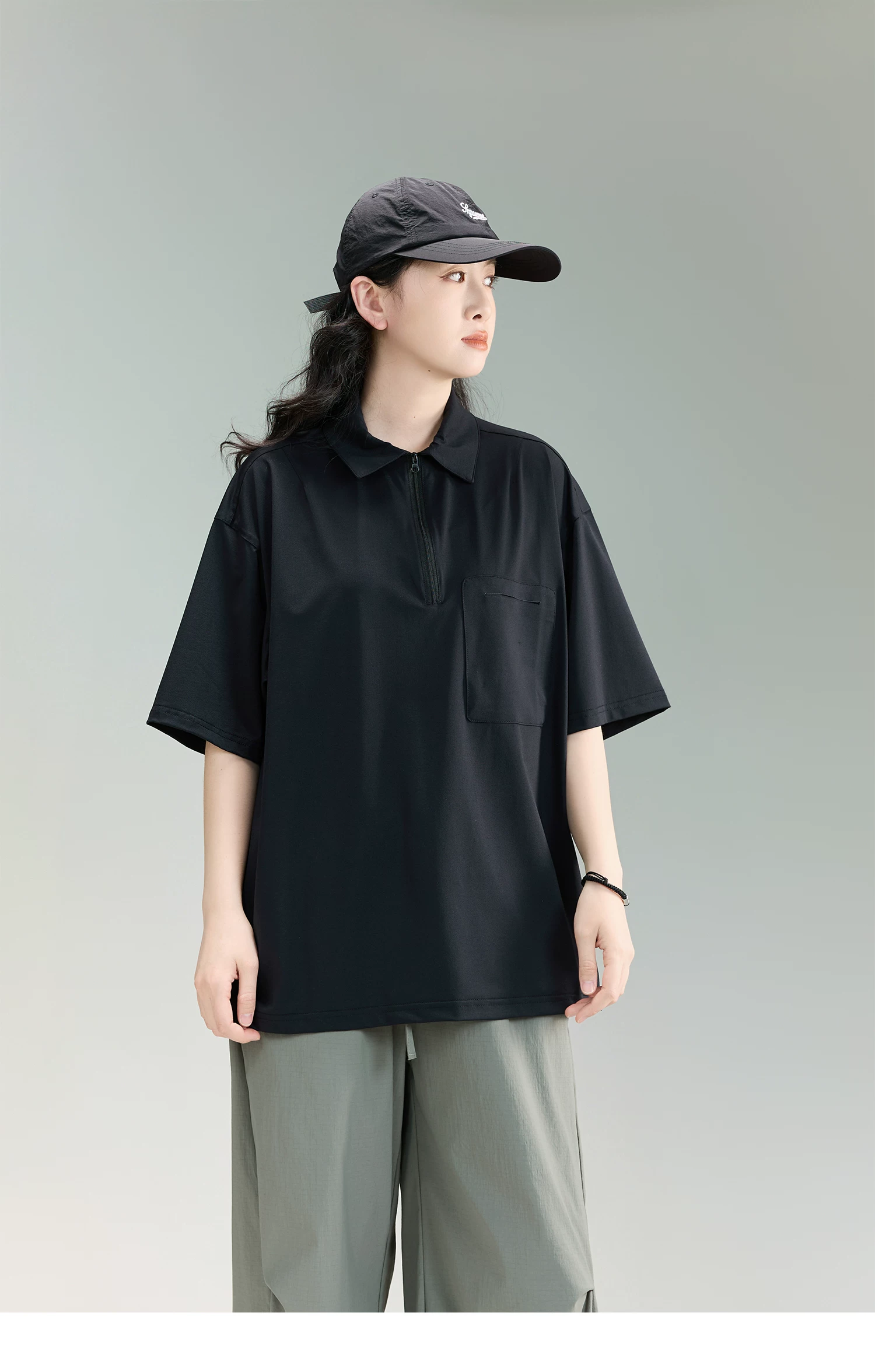
Industry analysis confirms that full-length wide pants remain the dominant silhouette for 2026 spring and summer. Waist-tuck pants, easy pants, and center-press designs are leading popularity. Each of these styles solves a different problem. Waist-tuck pants create a polished, flattering line at the waist. Easy pants prioritize comfort and versatility, often featuring elasticated waists or relaxed fits. Center-press designs add structure and formality, bridging the gap between casual and professional dressing. Together, they form a wardrobe ecosystem that meets the varied needs of modern Japanese women.
From Pandemic Comfort to Permanent Fixture
What began as a pandemic-era comfort preference has evolved into a permanent wardrobe fixture. During the early 2020s, remote work and social distancing loosened dress codes and encouraged women to experiment with more relaxed clothing. Wide-leg pants were an immediate beneficiary. They felt comfortable during long hours at home, yet looked polished enough for video calls and occasional outings. When the world reopened, many women did not return to their old skinny silhouettes. Instead, they carried the comfort they had discovered into their everyday lives. The result is a permanent recalibration of what Japanese women expect from their clothing.
This recalibration is both practical and aesthetic. Wide-leg pants offer freedom of movement that skinny silhouettes cannot match, a quality that resonates deeply in Japan’s fast-paced urban environments. They provide coverage and comfort without sacrificing polish. And crucially, they align with a broader cultural shift toward valuing ease and authenticity over rigid formality. In a society that has long prized conformity and precision in dress, the embrace of wide-leg pants signals a new confidence: the confidence to prioritize personal comfort without abandoning elegance.
The Core Consumer: Women in Their 30s to 50s
For women in their 30s through 50s—the core demographic driving this trend—wide-leg pants solve a persistent challenge: how to look refined and professional without feeling confined. These are women with busy lives: careers, families, social obligations, and personal pursuits. They need clothing that works as hard as they do. Wide-leg pants deliver. They can be styled with a blazer for a client meeting, a silk blouse for a dinner, or a simple knit for a weekend outing. They move easily between contexts without requiring a complete change of outfit.
As one fashion editor observed, the appeal lies in pants that are “comfortable to wear, of course, but the beauty of the silhouette is what earns consistent praise.” This balance of comfort and elegance defines the modern Japanese woman’s approach to dressing. She is not willing to choose between feeling good and looking good. Wide-leg pants prove that she does not have to.
Design Details That Drive Demand
The success of wide-leg pants is not simply about width. It is about proportion, fabric, and construction. Waist-tuck designs create a clean, flattering line by gathering fabric at the waist and allowing it to fall smoothly through the hip and leg. Easy pants use soft, fluid fabrics and relaxed cuts to maximize comfort. Center-press styles introduce a sharp vertical line that elongates the leg and adds a note of formality. Fabrics matter too: lightweight wool blends, cotton twills, linen, and technical fabrics all play a role in delivering drape, breathability, and seasonality.
For Japanese consumers, these details are not incidental. They are the difference between a pant that feels ordinary and one that feels exceptional. A wide-leg pant must fall correctly, hold its shape, and flatter the body without clinging. It must be comfortable enough for all-day wear yet refined enough for professional settings. Achieving this balance requires precise pattern-making, careful fabric selection, and rigorous quality control.
Manufacturing Agility: The MW Fashion Advantage
MW Fashion has positioned itself at the center of this shift. Located in Dongguan’s Humen—China’s “Fashion Capital”—the company combines monthly production capacity exceeding 100,000 units with minimum order quantities as low as 100 pieces. For Japanese brands seeking to capitalize on the wide-leg momentum, this means the ability to move quickly from concept to shelf without compromising on quality.
In a market where trends accelerate and consumer expectations remain exacting, that agility is not a luxury—it is a necessity. Brands can test new wide-leg silhouettes in small batches, gather real-world sales data, and scale production only when demand is proven. MW Fashion’s 3–7 day sample development cycle further strengthens this capability, allowing brands to iterate on fit, fabric, and finish while the trend is still fresh. Japanese-standard quality control ensures that every shipment meets the same exacting benchmarks, regardless of order size.
A New Understanding of Modern Dressing
The wide-leg pant is more than a silhouette. It represents a new understanding of what modern dressing can be: effortless, confident, and unapologetically comfortable. It rejects the false choice between style and comfort. It embraces movement, ease, and a quiet sense of self-assurance. For Japanese women, it is a garment that fits the reality of their lives—lives that are dynamic, demanding, and multidimensional.
For brands ready to meet Japanese women where they are, the opportunity is substantial. The wide-leg trend is not a passing moment. It is a lasting shift in consumer preference, supported by cultural change, practical needs, and aesthetic evolution. Brands that invest in wide-leg designs—and partner with manufacturers who can deliver them with speed, quality, and flexibility—will be well-positioned to win in 2026 and beyond.
Conclusion
Japan’s women have made their choice clear. Wide-leg pants are the staple of 2026, and their appeal shows no sign of fading. They offer comfort without compromise, polish without restriction, and style without sacrifice. From Marunouchi to Daikanyama, from office towers to weekend cafés, the wide-leg silhouette has become the defining bottom of a generation. For brands and manufacturers, the message is equally clear: agility, quality, and a deep understanding of Japanese preferences are the keys to success. MW Fashion stands ready to support that journey, one perfectly draped wide-leg pant at a time.